

Ultra-Processed Foods: Global Experts Demand Action on “Public Health Threat
Ultra-Processed Foods Are a Global Health Threat – Experts Demand Immediate Action
Published: November 19, 2025
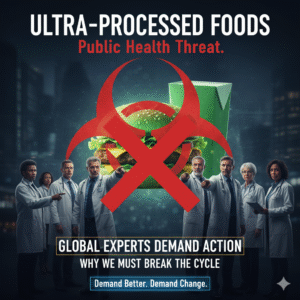
The international panel of 43 experts, writing in The Lancet, warns that the rapid global shift from fresh, whole foods to cheap, heavily marketed UPFs is “reshaping diets worldwide” – and governments must act now with taxes, front-of-pack warnings, and restrictions similar to those used against tobacco.
• Higher UPF intake linked to 32 chronic diseases
• Strongest evidence for type 2 diabetes, cardiovascular disease, obesity, depression, and early death
• Up to 50% increased risk for some conditions
What Exactly Are Ultra-Processed Foods?
Under the widely used Nova classification system, UPFs are industrially formulated products containing ingredients you wouldn’t normally find in a home kitchen:
- Emulsifiers, stabilisers, artificial sweeteners
- Preservatives, colours, flavour enhancers
- Hydrogenated oils, modified starches
| Nova Group | Examples |
|---|---|
| Group 1 – Unprocessed/minimally processed | Fresh fruit, vegetables, meat, milk, eggs |
| Group 2 – Processed culinary ingredients | Oil, butter, sugar, salt |
| Group 3 – Processed foods | Canned vegetables, cheese, freshly baked bread |
| Group 4 – Ultra-processed (UPF) | Crisps, fizzy drinks, instant noodles, sausages, mass-produced bread, ready meals, ice cream, breakfast cereals |
The Growing Evidence – What the Studies Show
The 2025 review – the most comprehensive yet – analysed data from over 10 million people across decades. Convincing or highly suggestive links were found between higher UPF consumption and:
- 51% higher risk of cardiovascular disease mortality
- 48–53% higher risk of anxiety and depression
- 21% higher risk of death from any cause
- 40–50% increased risk of type 2 diabetes
- Obesity, kidney disease, sleep problems, several cancers
— Prof Carlos Monteiro, University of Sao Paulo (creator of Nova system)
Why Are UPFs Harmful?
Scientists point to multiple mechanisms:
- Designed to be hyper-palatable → overeating
- High in sugar, unhealthy fats, salt; low in fibre & protein
- Soft texture → less chewing → weaker satiety signals
- Additives may disrupt gut microbiome or cross blood-brain barrier
- Displace nutritious whole foods from the diet
Industry & Critic Responses
The Food and Drink Federation (UK) insists many UPFs (e.g., wholemeal bread, low-sugar cereals) can be part of a healthy diet and that sugar and salt levels have fallen ~30% since 2015.
Some academics caution that:
- Most evidence is observational – correlation ≠ causation
- People who eat more UPFs often have other unhealthy habits (smoking, low exercise)
- Nutrient content matters more than processing level alone
However, the review authors argue that waiting for perfect randomised trials (almost impossible at population scale) would be irresponsible when the evidence is already “convincing” for several outcomes.
What Experts Want Governments to Do Now
- Clear front-of-pack warning labels (like Chile & Mexico)
- Higher taxes on sugary drinks and UPFs
- Restrict marketing, especially to children
- Subsidise fresh food to improve access
- Reformulate school and hospital meals

What You Can Do Today
- Check ingredients – if it has a long list of things you don’t recognise, it’s likely UPF
- Base meals around vegetables, fruits, beans, nuts, whole grains
- Cook from scratch when possible
- Treat crisps, biscuits, fizzy drinks as occasional treats, not daily staples
The message from the world’s leading experts is clear: ultra-processed foods are not just “sometimes foods” anymore – for millions they have become the main diet, and the health consequences are becoming impossible to ignore.