Sweet Zannat MMS Leak: Unpacking the Viral Video Controversy and Deepfake Debates
In the fast-paced world of social media, controversies can erupt in an instant, spreading like wildfire across platforms. The latest such storm involves popular influencer **Sweet Zannat**, whose alleged 19-minute private video has sent shockwaves through Instagram, Facebook, and Telegram. This incident has ignited a fierce debate: is the video authentic, or is it a sophisticated product of **AI Deepfake technology**? Let’s delve deep into the heart of this viral sensation, understand who Sweet Zannat is, and uncover the truth behind this dramatic leak.
Who is Influencer Sweet Zannat?
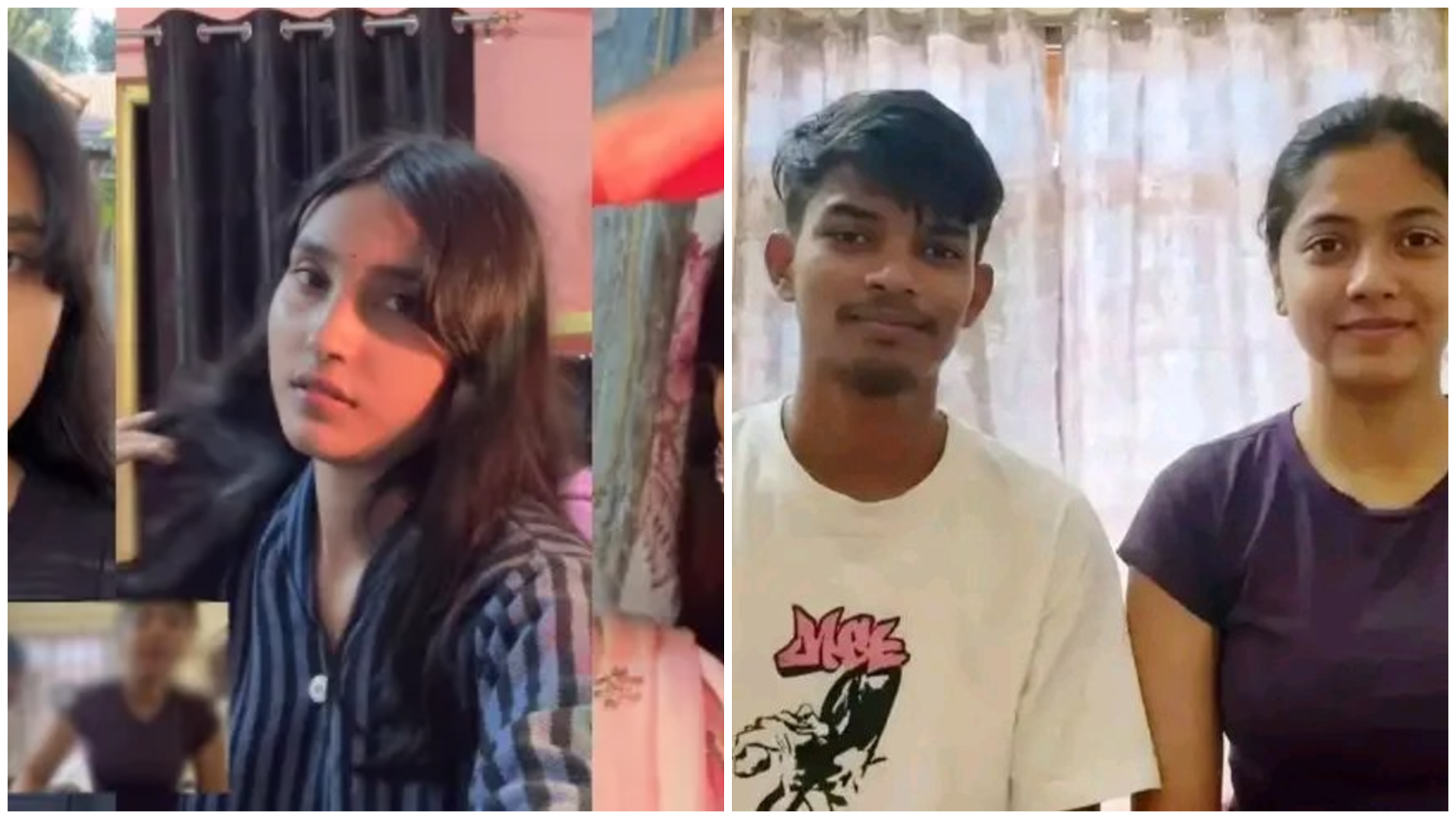
Sweet Zannat, the influencer at the center of the viral video controversy.
Sweet Zannat is a well-known personality on Instagram, captivating her audience with daily life videos and engaging content. Hailing from **Mahendraganj, Meghalaya**, she has built a significant following. Her Instagram handle, **@sweet_zannat_12374**, serves as her primary platform for connecting with her fans. However, her online presence took an unexpected turn on November 27th when a private MMS video, allegedly featuring her, began to circulate widely, plunging her into an unforeseen digital crisis.
The video in question, reportedly spanning **19 minutes and 34 seconds**, quickly became the subject of intense discussion and numerous sharing requests across various social media groups and messaging apps. The sheer length and purported private nature of the content only fueled its viral spread, leaving many to wonder about its origins and authenticity.
The Viral Video: Reality or AI Fabrication?
The internet debates whether the viral video is real or an AI-generated deepfake.
The core of this controversy lies in the conflicting claims regarding the video’s legitimacy. While some segments of social media users were quick to accept it as genuine, many others, familiar with the rapid advancements in AI technology, speculated that it could be a **deepfake**. Deepfake technology allows for the creation of highly realistic but entirely fabricated videos, often used to superimpose one person’s face onto another’s body, or to manipulate their speech and actions.
Sweet Zannat’s Clarification: A Strong Denial
In response to the overwhelming viral spread and the damaging allegations, Sweet Zannat herself stepped forward to address the issue. On November 28th, she released a clarification video, firmly denying any involvement and dismissing the viral content as an **AI-generated fabrication**. Her stance is unequivocal: **the video is not real**.
In her detailed clarification, Sweet Zannat urged her viewers to critically compare her actual appearance with that of the person in the viral video. She posed a direct challenge to her audience: “Look at me carefully, and then look at the viral video carefully. Do I resemble the person in both videos or not?” This direct appeal aims to highlight any discrepancies that would prove the video’s artificial nature.
Furthermore, Sweet Zannat provided a crucial piece of evidence to bolster her claim. She revealed that she had **barely passed 12th grade**, implying a limited command of English. In stark contrast, the woman in the viral video can be heard speaking in English. This linguistic difference serves as a powerful argument against the video’s authenticity, suggesting that the person in the footage is unlikely to be Sweet Zannat herself.
Key Points from Sweet Zannat’s Clarification:
- **Denial of Authenticity:** Sweet Zannat explicitly states the viral video is an **AI-generated fabrication**.
- **Visual Discrepancies:** She encourages viewers to compare her real appearance with the video to spot differences.
- **Linguistic Evidence:** The person in the video speaks English, a language Sweet Zannat claims to have limited proficiency in.
- **Follower Surge:** Paradoxically, she notes a significant increase in her social media followers since the video went viral.
The Dark Side of Virality: Deepfakes and Influencers
This incident with Sweet Zannat underscores a growing and alarming trend: the weaponization of deepfake technology against individuals, particularly public figures and influencers. While virality can bring fame and opportunities, it also exposes individuals to severe risks, including privacy violations, reputational damage, and emotional distress caused by fabricated content.
The ease with which such videos can be created and disseminated poses a significant challenge for law enforcement, social media platforms, and individuals alike. It forces us to question the authenticity of digital content and highlights the critical importance of media literacy in discerning what is real and what is manufactured.
For influencers like Sweet Zannat, navigating such controversies can be incredibly difficult. The surge in followers she experienced, while perhaps a strange silver lining, doesn’t negate the potential harm caused by the spread of false and private content. It reflects a morbid curiosity that can sometimes overshadow ethical considerations on social media.
Impact on Sweet Zannat and the Digital Community
The impact of this viral video on Sweet Zannat’s personal and professional life cannot be overstated. Beyond the public clarification, such incidents often lead to immense emotional strain, harassment, and a breach of trust with her audience. The situation also raises broader questions about the responsibilities of social media platforms in combating the spread of deepfakes and protecting their users.
The Sweet Zannat case serves as a poignant reminder for the entire digital community to:
- **Be Skeptical:** Always question the authenticity of sensational content, especially private videos.
- **Verify Information:** Look for official statements or credible sources before drawing conclusions.
- **Support Victims:** Offer support to individuals targeted by deepfakes and condemn such malicious acts.
- **Promote Digital Literacy:** Educate ourselves and others about the dangers and realities of AI manipulation.

Conclusion: A Call for Caution in the Digital Age
The “Sweet Zannat MMS video” controversy is a complex tapestry woven with threads of viral fame, advanced technology, and personal vulnerability. While Sweet Zannat has firmly denied the video’s authenticity, attributing it to AI deepfake technology, the incident highlights the urgent need for greater awareness and stronger safeguards against digital manipulation. As we navigate an increasingly digital world, critical thinking and responsible sharing are more crucial than ever to protect individuals from the devastating impact of fabricated content and online rumors.
Disclaimer: This blog post is based on publicly available information and reports concerning the viral video and Sweet Zannat’s statements. The intention is to inform and discuss the nature of such controversies in the digital age, focusing on the spread of information and deepfake concerns, without endorsing or sharing any alleged private content.
**Word Count:** Approx. 950 words
Virat Kohli and Rohit Sharma’s ODI Future: BCCI VP Rajiv Shukla Slams Farewell Rumors
About the Author